How Cloud Software Supports Flexible Accounting Work
Cloud software has transformed the way businesses manage their accounting tasks. Traditional accounting systems often limit accessibility, collaboration, and real-time decision-making. Cloud accounting, on the other hand, provides flexibility, allowing finance teams to work from anywhere while maintaining accuracy and efficiency. With automation, real-time reporting, and seamless integrations, businesses can focus more on strategic financial planning rather than manual bookkeeping. This article explores how cloud accounting software supports flexible accounting work and why it is essential for modern organizations.
Understanding Cloud Accounting Software
Cloud accounting software is a digital platform that stores financial data on secure servers, enabling online access from multiple devices. Its key features include invoicing, payroll management, expense tracking, and financial reporting, all in one place. Unlike traditional desktop software, cloud solutions do not require extensive IT infrastructure and can be updated automatically with new features. Businesses benefit from reduced maintenance costs, simplified backups, and instant access to financial information. By centralizing accounting data, cloud software improves workflow efficiency and reduces errors. It provides a reliable foundation for businesses seeking flexibility and scalability in finance management.
Definition and Key Features
Cloud accounting software allows real-time access to financial records through the internet. Users can create invoices, track expenses, process payroll, and generate reports without installing software on local computers. Key features often include automated bank feeds, multi-user access, and customizable dashboards. These features streamline daily accounting operations, saving time and effort. Businesses can also monitor performance metrics, spot trends, and make informed decisions quickly. Overall, the software acts as a complete financial management hub that is easy to use and highly adaptable.
Benefits Over Traditional Accounting
Cloud accounting eliminates the need for manual data entry and reduces reliance on paper records. Unlike desktop solutions, cloud systems provide real-time collaboration and automatic updates. Users can access financial information anytime, anywhere, which is essential for remote teams and branch-based operations. Scalability allows businesses to expand without additional IT costs, and secure cloud storage reduces the risk of data loss. Automation also reduces human errors, improving compliance and financial accuracy. These benefits make cloud accounting a superior choice for modern, agile businesses.
Remote Access and Collaboration
One of the most valuable aspects of cloud accounting is remote accessibility. Accountants can manage accounts, review transactions, and generate reports from any location with internet access. This flexibility is crucial for businesses with remote teams or multiple branches. Cloud systems also enhance collaboration within teams, as multiple users can work simultaneously on the same accounts without conflict. Clients can easily share documents or approve invoices, further improving workflow efficiency. The ability to collaborate in real time increases productivity and ensures all stakeholders have the latest financial information.
Work from Anywhere
Cloud accounting empowers accountants to work remotely or on the go using laptops, tablets, or smartphones. It eliminates the constraints of office-based systems and allows for flexible scheduling. Teams can respond to financial queries quickly and make timely decisions regardless of location. This mobility also helps businesses manage multiple locations without delays. Cloud access ensures continuity during unexpected disruptions or travel. Overall, it enhances operational flexibility and employee productivity.
Team Collaboration
Multiple users can access and update financial records simultaneously, ensuring transparency and coordination. Accountants, managers, and finance teams can assign tasks, track changes, and maintain accurate records. This feature reduces bottlenecks caused by manual handoffs and paper-based workflows. Internal communication improves as everyone works from a single source of truth. Real-time updates prevent duplicate entries and conflicting data. Collaboration tools in cloud accounting streamline teamwork and increase efficiency.
Client Collaboration
Clients can securely upload documents, review statements, and approve transactions directly within the cloud platform. This eliminates the need for back-and-forth emails and physical paperwork. Clients benefit from faster turnaround times, and accountants can complete tasks more efficiently. Transparency improves client trust, as all financial records are readily accessible. Cloud systems also maintain an audit trail for accountability. Client collaboration features make accounting more responsive and convenient for both parties.
Real-Time Data and Reporting
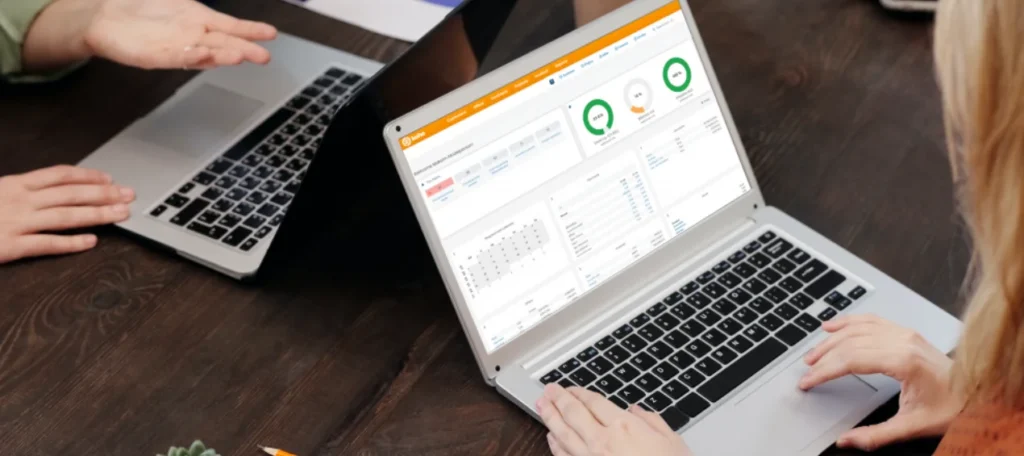
Cloud accounting provides instant access to financial data, enabling faster decision-making. Dashboards display key metrics like cash flow, revenue, and expenses in real time. Automation reduces errors in data entry, ensuring reports are accurate and up-to-date. Customizable reporting options allow businesses to track performance against goals. Accurate financial insights help identify trends and areas for improvement. Real-time reporting gives businesses a competitive advantage by enabling proactive financial management.
Instant Financial Insights
With cloud software, businesses can generate real-time reports and dashboards that reflect current financial performance. This enables informed decisions on budgeting, investments, and cash flow management. Managers and accountants can monitor KPIs continuously. Instant insights reduce the time spent on manual report compilation. Financial forecasting becomes more precise and reliable. Quick access to accurate data enhances strategic planning and business agility.
Error Reduction
Automation in cloud accounting minimizes human errors by automatically importing bank transactions and reconciling accounts. Built-in validations prevent mistakes in invoices, payroll, and expense tracking. Reduced errors ensure compliance with accounting standards and tax regulations. Accurate data reduces the risk of penalties and financial losses. Businesses can focus on strategic activities rather than correcting mistakes. Cloud accounting enhances trust and reliability in financial management.
Customizable Reports
Users can create tailored reports for specific business needs, such as departmental budgets, client billing, or tax reporting. Cloud systems allow filters, charts, and automated scheduling of reports. Customizable reports save time and provide actionable insights. Managers can evaluate performance, identify trends, and plan for growth. The flexibility of reporting adapts to unique business requirements. It ensures that stakeholders always have relevant and timely information.
Security and Compliance
Cloud accounting software uses advanced encryption, secure logins, and automated backups to protect financial data. These security measures prevent unauthorized access and data breaches. The systems are designed to comply with accounting standards, tax regulations, and industry-specific rules. Audit trails track changes, ensuring accountability and transparency. Cloud platforms reduce the risk of losing data due to hardware failure or theft. Reliable security and compliance features build confidence among businesses and clients alike.
Data Protection
Cloud software employs encryption protocols, multi-factor authentication, and regular backups to safeguard financial information. Data is stored on secure servers with restricted access. This reduces risks of loss, theft, or accidental deletion. Business continuity is ensured even in case of disasters. Secure cloud platforms provide peace of mind and protect sensitive financial data. Companies can focus on growth without worrying about data security.
Regulatory Compliance
Cloud accounting systems are designed to comply with local and international accounting regulations. Automatic updates reflect changes in tax laws and reporting standards. Compliance features prevent errors that could lead to penalties or legal issues. Businesses can maintain accurate records for audits and financial reporting. Staying compliant becomes easier and less time-consuming. This ensures businesses meet all legal and regulatory obligations seamlessly.
Audit Trails
Audit trails record every transaction, modification, and user action in the system. They provide transparency and accountability, making audits simpler and faster. Any discrepancies can be quickly identified and resolved. Audit trails support compliance and financial integrity. They also build trust with stakeholders, investors, and clients. Cloud accounting ensures every change is traceable and well-documented.
Scalability and Integration
Cloud accounting grows with your business without requiring significant IT investment. Additional users or features can be added easily. Integration with payment gateways, CRMs, and ERP systems ensures smooth data flow across platforms. Businesses can scale operations efficiently while maintaining accurate financial records. Cost efficiency improves as cloud solutions eliminate hardware and maintenance expenses. Scalable and integrated systems make cloud accounting ideal for businesses of all sizes.
Growing with Your Business
Cloud software adapts to increasing transaction volumes, new departments, or branch expansions. Businesses can add modules or users without replacing the entire system. This flexibility allows companies to maintain operational efficiency as they grow. Cloud platforms accommodate evolving accounting needs seamlessly. Growth is supported without IT complexities or additional infrastructure. Businesses can focus on expansion while keeping finances organized.
Integration with Other Tools
Cloud accounting can connect with other software like CRMs, ERPs, e-commerce platforms, and payroll systems. Integrated systems reduce manual data entry and synchronize financial records. This ensures consistency across departments and platforms. Integration improves efficiency, reporting, and decision-making. It creates a unified ecosystem for business operations. Cloud compatibility simplifies workflows and increases productivity.
Cost Efficiency
By eliminating physical servers, software licenses, and IT maintenance, cloud accounting reduces operational costs. Subscription-based pricing allows businesses to pay only for what they use. Automation saves time and reduces labor costs associated with manual bookkeeping. Businesses can allocate resources to growth initiatives rather than infrastructure. Cloud solutions provide a cost-effective alternative to traditional accounting systems. Overall, savings and efficiency make cloud adoption financially attractive.
Automation and Workflow Flexibility
Cloud accounting automates repetitive tasks such as invoicing, payroll, and bank reconciliations. Automation reduces manual effort and errors, improving accuracy and efficiency. Businesses can customize workflows according to their unique needs. Task reminders and notifications ensure deadlines are met. Flexible workflows allow accountants to focus on strategic financial analysis rather than routine tasks. Automation enhances productivity and simplifies accounting operations.
Automated Bookkeeping
Recurring tasks like invoice generation, payment reminders, and bank reconciliations are automated. This reduces time spent on manual entries and ensures consistency. Automated bookkeeping minimizes errors and maintains up-to-date records. Financial processes become faster and more accurate. Accountants can allocate time to higher-value tasks. Automation is key to flexible and efficient accounting operations.
Workflow Customization
Cloud accounting allows businesses to tailor processes for approvals, client billing, or departmental reporting. Workflows can be designed to match internal policies and preferences. Customized workflows improve accountability, efficiency, and collaboration. Flexibility ensures the system supports diverse business models. Teams can adjust processes as requirements evolve. This makes accounting adaptable to changing business needs.
Task Management
Reminders, notifications, and dashboards help accountants stay on top of deadlines. Tasks can be assigned and tracked, ensuring accountability and timely completion. Task management features reduce missed payments or delayed reporting. Teams can monitor progress and prioritize critical activities. Efficient task management contributes to smooth financial operations. Cloud systems provide visibility and control over accounting workflows.
Why Choose Practice PA
Practice PA offers a specialized cloud accounting solution designed for small and medium-sized businesses. Its platform combines automation, real-time reporting, and secure data management. Users benefit from flexible workflows, client collaboration, and easy scalability. Practice PA ensures compliance with accounting standards and integrates seamlessly with other business tools. Dedicated support and training help teams maximize efficiency. Choosing Practice PA means businesses can streamline accounting processes while maintaining accuracy and control.
Other Articles You Might Enjoy
- How to Build a Scalable Workflow for Accounting Firms
- Best Practices for Secure Document Storage
- How Automation Saves Money for Accounting Firms
- Improving Workload Visibility Across Your Accounting Firm
- Choosing the Right Practice Management Plan
Conclusion
Cloud software transforms accounting by offering flexibility, accuracy, and efficiency. Remote access, real-time reporting, automation, and secure data storage empower businesses to make informed decisions. Integration, scalability, and workflow customization enhance operational efficiency. Organizations adopting cloud accounting can reduce costs, minimize errors, and improve collaboration. Ultimately, cloud software enables modern businesses to manage finances with confidence and agility.
FAQs
What is cloud accounting software?
Cloud accounting software stores financial data online, enabling remote access and collaboration.
Can multiple users work on the same accounts simultaneously?
Yes, cloud platforms allow team members to update records in real time without conflicts.
How secure is financial data on the cloud?
Cloud systems use encryption, backups, and access controls to protect sensitive data.
Does cloud accounting help with tax compliance?
Yes, many platforms update automatically with tax regulations and maintain accurate records for audits.
Can cloud accounting integrate with other business tools?
Yes, it can connect with CRMs, ERPs, payment gateways, and other platforms for seamless operations.