
Why UK Accountants Are Moving Away From Manual Systems
UK accountants are increasingly moving away from manual bookkeeping and paper-based accounting systems. Traditional methods, including spreadsheets and physical ledgers, are time-consuming and prone to errors. With rising client expectations and stricter compliance regulations, these outdated systems struggle to meet modern demands. Automation offers real-time insights, seamless reporting, and secure data storage. As the accounting profession evolves, firms are seeking solutions that improve accuracy and efficiency. This shift marks a significant step towards smarter, technology-driven accounting practices.
The Limitations of Manual Accounting Systems
Manual accounting systems require accountants to record transactions by hand or in spreadsheets, which increases the risk of human error. Miscalculations, misplaced documents, and overlooked transactions can lead to serious issues. These systems are time-intensive, slowing down reporting, reconciliations, and financial analysis. Tracking cash flow, VAT, and payroll manually often causes delays and inaccuracies. Manual methods also struggle to provide real-time insights into business performance. For UK firms, keeping up with HMRC regulations is increasingly difficult without automation, making manual systems less viable.
Increased Accuracy with Digital Solutions
Digital accounting platforms automate calculations and reconciliation, drastically reducing the risk of errors. Features like automatic journal entries, validation checks, and audit trails ensure data integrity. Accountants can trust that reports and statements are accurate, saving time on corrections. Real-time updates allow for immediate insights into financial health. Digital solutions often include templates and compliance checks for UK tax regulations. The result is increased confidence when presenting financial data to clients or stakeholders.
Time Efficiency and Productivity Gains
Automation reduces the repetitive tasks that occupy accountants’ days, such as data entry, invoicing, and reconciliations. These processes that once took hours can now be completed in minutes. Accountants can focus on strategic advisory services rather than administrative duties. Time savings improve productivity, reduce overtime, and allow firms to serve more clients efficiently. Cloud-based systems enable remote access, ensuring work continues without interruption. Overall, automation transforms accountants from bookkeepers into valuable business advisors.
Enhanced Compliance and Reporting
Keeping up with UK tax laws, VAT rules, and payroll requirements is challenging with manual systems. Automated platforms ensure deadlines are met and calculations are accurate. They generate reports suitable for audits and HMRC submissions, reducing the risk of fines or penalties. Built-in alerts and reminders help accountants stay proactive about compliance. Reporting features allow detailed insights into financial performance. Automation ensures that firms meet legal obligations while maintaining professional credibility with clients.
Security and Data Protection Advantages
Manual accounting systems risk loss, theft, or damage to physical records. Paper ledgers can be destroyed, misplaced, or accessed by unauthorized individuals. Digital solutions offer encrypted storage, regular backups, and controlled access, protecting sensitive financial data. Many platforms comply with GDPR, safeguarding client privacy. Cloud-based systems ensure data is recoverable in case of hardware failure. Enhanced security measures increase client trust and reduce stress on accountants managing sensitive information.
Scalability and Adaptability for Growing Firms
As firms expand, manual systems become increasingly unmanageable. Handling more clients, transactions, and reporting deadlines is cumbersome without automation. Digital accounting solutions can scale effortlessly, adding users and capabilities as needed. Integration with other tools like CRM, payroll, and invoicing software streamlines operations. Automated systems adapt to new tax laws and accounting standards quickly. This flexibility makes it easier for firms to grow and adapt to evolving client demands and business landscapes.
Cost Considerations and ROI
While manual systems may seem cheaper initially, hidden costs quickly add up. Errors, delays, and inefficiencies can lead to financial losses or client dissatisfaction. Automated solutions offer long-term savings by reducing labor hours and errors. Subscription-based models are affordable and scalable for small and large firms alike. Improved efficiency allows accountants to handle more clients or provide higher-value advisory services. Over time, the return on investment for automation far outweighs the initial cost, making it a smart financial decision.
Why UK Accountants Are Choosing Automation Now
Several factors are driving the shift to automation in the UK accounting industry. Clients expect faster, accurate financial reporting and advisory insights. Regulatory compliance has become more complex, requiring precise calculations and timely submissions. Technology adoption is accelerating, with user-friendly cloud solutions available at competitive prices. Automation allows accountants to focus on strategic planning rather than routine bookkeeping. Firms adopting these tools gain a competitive edge, improve client satisfaction, and future-proof their operations.
Why Practice PA
Practice PA is a leading practice management software designed specifically for accounting firms in the UK. It combines automation, compliance support, and real-time reporting in a single platform. The software reduces administrative workloads, allowing accountants to focus on advisory services. With secure cloud storage and GDPR-compliant data handling, sensitive client information is always protected. Practice PA integrates seamlessly with other tools, offering scalability for growing firms. Choosing Practice PA ensures improved efficiency, accuracy, and profitability for modern accounting practices.
1. Tailored for UK Accounting Firms
Practice PA is designed specifically for accounting firms operating in the UK, taking into account local tax regulations, reporting standards, and business practices. Unlike generic software, it offers features that align with HMRC compliance requirements. Accountants benefit from workflows optimized for UK-specific needs, such as VAT returns, payroll calculations, and client invoicing. This makes it easier for firms to manage client accounts without worrying about regulatory mistakes. By being UK-focused, it ensures relevance, reliability, and practical usability for everyday accounting tasks.
2. Automation of Routine Tasks
One of the strongest advantages of Practice PA is its ability to automate repetitive accounting tasks. Processes like data entry, bank reconciliations, and invoice generation are handled automatically, saving hours of manual work. Automation reduces the risk of human error and ensures calculations are consistently accurate. Accountants can dedicate their time to higher-value activities, such as financial planning and advisory services. This leads to faster client service, increased productivity, and a more strategic role for accountants.
3. Compliance Support and Accuracy
Practice PA helps firms stay fully compliant with UK accounting regulations. It provides built-in templates for VAT submissions, payroll reporting, and HMRC compliance checks. Automatic reminders and alerts ensure deadlines are never missed. The system also generates audit-ready reports, helping firms pass inspections or client audits without stress. This reduces the risk of penalties or fines caused by human error in manual systems. Compliance automation allows accountants to focus on analyzing results rather than worrying about errors or missed filings.
4. Real-Time Reporting and Insights
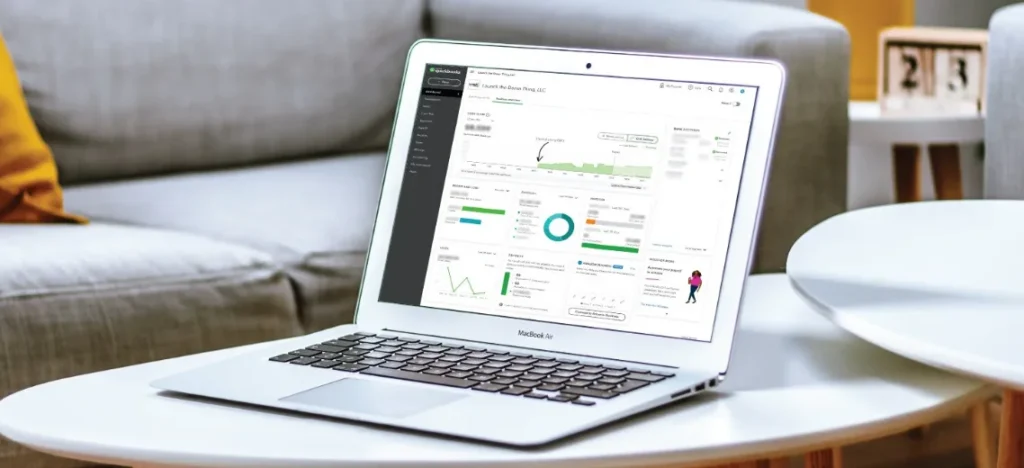
With Practice PA, accountants gain access to real-time financial data and insights. Dashboards display key metrics, including cash flow, client balances, and profitability, all updated automatically. Reports can be generated instantly, enabling informed decision-making. Real-time reporting allows firms to provide timely advice to clients, improving client satisfaction. Accountants can also identify trends, detect discrepancies early, and make strategic recommendations. This level of visibility is impossible with traditional manual systems.
5. Secure Cloud Storage and Data Protection
Practice PA ensures that sensitive financial data is always secure. All information is stored in encrypted cloud servers, reducing the risk of data loss due to hardware failure, theft, or accidental damage. The platform is GDPR-compliant, providing peace of mind for both accountants and their clients. Access control features allow firms to restrict data to authorized personnel only. Regular backups ensure that records are always recoverable. This combination of security and compliance fosters trust and reliability in client relationships.
6. Seamless Integration and Scalability
Practice PA integrates easily with other accounting and business tools, such as CRM systems, invoicing software, and payroll platforms. This allows firms to maintain a unified workflow across multiple operations. As firms grow, Practice PA scales effortlessly, supporting more users, clients, and transactions without performance issues. Its adaptability ensures that growing firms do not outgrow their software. This flexibility makes Practice PA a long-term solution, supporting firms through growth, regulation changes, and technological advancements.
7. Improved Efficiency and Profitability
By automating routine tasks, supporting compliance, and offering real-time insights, Practice PA significantly improves operational efficiency. Accountants spend less time on administrative duties and more on advisory and strategic work, which increases profitability. Faster, accurate reporting helps firms maintain strong client relationships and win new business. With lower error rates and time savings, firms can handle more clients without expanding staff. Ultimately, Practice PA contributes to a more productive, profitable, and future-ready accounting practice.
Other Articles You Might Enjoy
- How to Build a Scalable Workflow for Accounting Firms
- Best Practices for Secure Document Storage
- How Automation Saves Money for Accounting Firms
- Improving Workload Visibility Across Your Accounting Firm
- Choosing the Right Practice Management Plan
Conclusion
UK accountants are increasingly abandoning manual systems in favor of digital, automated solutions. Manual bookkeeping is slow, error-prone, and difficult to scale, while automation improves accuracy, compliance, and efficiency. Security, cost savings, and adaptability make automation an attractive choice. Firms adopting digital platforms like Practice PA can focus on strategic growth and client satisfaction. As accounting becomes more technology-driven, moving away from manual systems is no longer optional—it is essential.
FAQs
Why are UK accountants moving away from manual systems?
Manual systems are slow, error-prone, and struggle with compliance, making automation more efficient.
What are the main benefits of automated accounting?
Increased accuracy, faster reporting, reduced errors, improved compliance, and better client service.
Can small firms afford automated systems?
Yes, scalable cloud solutions like Practice PA offer affordable subscriptions for firms of any size.
Does automation replace accountants?
No, it reduces repetitive tasks, allowing accountants to focus on advisory and strategic services.
How does Practice PA help with compliance?
It automates VAT, payroll, and reporting deadlines while ensuring GDPR and HMRC compliance.